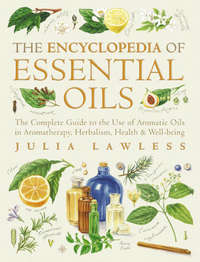
Kitabı oku: «Encyclopedia of Essential Oils: The complete guide to the use of aromatic oils in aromatherapy, herbalism, health and well-being.»

COPYRIGHT
HarperThorsons
An Imprint of HarperCollinsPublishers 77–85 Fulham Palace Road, Hammersmith, London W6 8JB
www.harpercollins.co.uk
 Thorsons is a trademark of HarperCollinsPublishers Ltd
First published in Great Britain in 1992 by Element Books Limited
This revised and updated edition published by HarperThorsons 2014
Botanical illustrations by Sarah Roche
© Julia Lawless 1992
A catalogue record of this book is available from the British Library
While every effort has been made to trace the owners of copyright material reproduced herein and secure permissions, the publishers would like to apologise for any omissions and will be pleased to incorporate missing acknowledgements in any future edition of this book.
Julia Lawless asserts the moral right to be identified as the author of this work
All rights reserved under International and Pan-American Copyright Conventions. By payment of the required fees, you have been granted the nonexclusive, non-transferable right to access and read the text of this e-book on screen. No part of this text may be reproduced, transmitted, downloaded, decompiled, reverse engineered, or stored in or introduced into any information storage retrieval system, in any form or by any means, whether electronic or mechanical, now known or hereinafter invented, without the express written permission of HarperCollins e-books.
Find out about HarperCollins and the environment at www.harpercollins.co.uk/green
Source ISBN: 9780007145188
EPub Edition © SEPTEMBER 2014 ISBN: 9780007405213
Version: 2014-10-01
DEDICATION
To my mother, Kerttu
CONTENTS
Cover
Title Page
Copyright
Dedication
Preface
How to Use This Book
Part I: An Introduction to Aromatics
1. Historical Roots
Natural Plant Origins
Ancient Civilizations
Treasures from the East
Alchemy
The Scientific Revolution
2. Aromatherapy and Herbalism
The Birth of Aromatherapy
Herbal Medicine
Therapeutic Guidelines
Safety Precautions
3. The Body-Actions and Applications
How Essential Oils Work
The Skin
The Circulation, Muscles and Joints
The Respiratory System
The Digestive System
The Genito-urinary and Endocrine Systems
The Immune System
The Nervous System
The Mind
4. How to use Essential Oils at Home
Massage
Skin Oils and Lotions
Hot and Cold Compresses
Hair Care
Flower Waters
Baths
Vaporization
Steam Inhalation
Douche
Neat Application
Internal Use
5. Creative Blending
Therapeutic and Aesthetic Properties
Correct Proportions
Synergies
Fragrant Harmony
Personal Perfumes
6. A Guide to Aromatic Materials
Habitat
Chemistry
Methods of Extraction
Natural versus ‘Nature Identical’
Part II: THE OILS
Ajowan
Allspice
Almond, Bitter
Ambrette Seed
Amyris
Angelica
Anise, Star
Aniseed
Arnica
Asafetida
Balsam, Canadian
Balsam, Copaiba
Balsam, Peru
Balsam, Tolu
Basil, Exotic
Basil, French
Bay, West Indian
Benzoin
Bergamot
Birch, Sweet
Birch, White
Boldo Leaf
Borneol
Boronia
Broom, Spanish
Buchu
Cabreuva
Cade
Cajeput
Calamintha
Calamus
Camphor
Cananga
Caraway
Cardamon
Carrot Seed
Cascarilla Bark
Cassia
Cassie
Cedarwood, Atlas
Cedarwood, Texas
Cedarwood, Virginian
Celery Seed
Chamomile, German
Chamomile, Maroc
Chamomile, Roman
Champaca
Chervil
Cinnamon
Citronella
Clove
Coriander
Costus
Cubebs
Cumin
Cypress
Deertongue
Dill
Dorado Azul
Elecampane
Elemi
Eucalyptus, Blue Gum
Eucalyptus, Broad-leaved Peppermint
Eucalyptus, Lemon-Scented
Fennel
Fenugreek
Fir Needle, Silver
Fragonia
Frangipani
Frankincense
Galangal
Galbanum
Gardenia
Garlic
Geranium
Ginger
Goldenrod
Grapefruit
Greenland Moss
Grindelia
Guaiacwood
Ho Wood
Hops
Horseradish
Hyacinth
Hyssop
Immortelle
Jaborandi
Jasmine
Juniper
Labdanum
Laurel
Lavandin
Lavender, Spike
Lavender, True
Lemon
Lemongrass
Lime
Linaloe
Linden
Litsea Cubeba
Lotus
Lovage
Mandarin
Manuka
Marigold
Marjoram, Sweet
Mastic
Melilotus
Melissa
Mimosa
Mint, Cornmint
Mint, Peppermint
Mint, Spearmint
Mugwort
Mustard
Myrrh
Myrtle
Narcissus
Neroli
Niaouli
Nutmeg
Oakmoss
Onion
Opopanax
Orange, Bitter
Orange, Sweet
Oregano, Common
Oregano, Spanish
Orris
Osmanthus
Palmarosa
Parsley
Patchouli
Pennyroyal
Pepper, Black
Petitgrain
Pine, Dwarf
Pine, Longleaf
Pine, Scotch
Plai
Ravensara
Ravintsara
Rose, Cabbage
Rose, Damask
Rosemary
Rosewood
Rue
Sage, Clary
Sage, Common
Sage, Spanish
Sandalwood
Santolina
Sassafras
Savine
Savory, Summer
Savory, Winter
Schinus Molle
Snakeroot
Spikenard
Spruce, Hemlock
Styrax, Levant
Tagetes
Tansy
Tarragon
Tea Tree
Thuja
Thyme, Common
Tonka
Tuberose
Turmeric
Turpentine
Valerian
Vanilla
Verbena, Lemon
Vetiver
Violet
Wintergreen
Wormseed
Wormwood
Yarrow
Ylang Ylang
References
Bibliography
Useful Addresses
General Glossary
Therapeutic Index
Botanical Classification
Botanical Index
Acknowledgements
About the Author
About the Publisher

Woodcut from the title page of the Crete Herball, 1526
PREFACE
My own interest in essential oils and herbal remedies derives from the maternal side of my family who came from Finland, where home ‘simples’ retained popularity long after they had vanished from most parts of Britain. My Finnish grandmother knew a great deal about herbs and wild plants which she passed on to my mother, as she recalls:
Mama’s most important herb was parsley, which along with dill, marjoram, hops and others, were dried in bunches in the autumn, dangling at the ends of short lengths of cotton, all strung on a long length of thin rope stretching right across the kitchen stove. As scents are very evocative for remembering old things, I remember it so well – the strong and heady smell emanating from these herbs when they were hung up, and the stove was warm.
Later, as a biochemist, my mother became involved with the research of essential oils and plants, and helped inspire in me a fascination for herbs and the use of natural remedies. Without her early enthusiasm and guidance, I’m sure this book would never have been written.
In 1992 the first edition of this book was published in the UK. Since then it has been translated into many languages as well being released in several different formats, including an illustrated edition. Now, with this new 2014 edition, I am very glad to have the opportunity to update my original work. Apart from revising my original text, I have also included fifteen new oils, which have been chosen especially for their therapeutic potential: these include a few little-known essential oils.
In the twenty-year period since the original publication of The Encyclopedia of Essential Oils, the use of essential oils, together with the practice of aromatherapy in the West, has undergone a radical transformation. At the beginning of the 1990s, aromatherapy was still considered a fringe practice and the use of essential oils in the home was by no means widespread. However, as scientific trials and clinical research have continued to confirm the potentiality of essential oils, they have become increasingly respected within the medical arena. This has been accompanied by a steady increase of public interest in holistic therapies worldwide, and a sociological trend towards embracing all things ‘natural’ over the past two decades.
Nowadays, aromatherapy treatments are widely available, including in hospitals, while essential oils can be purchased on every high street. This change in attitude can only be of benefit, but it is worth considering that the commercialization of aromatherapy has brought its own dangers. Although essential oils are all wholly natural substances, they can be subject to adulteration, so it is important always to buy them from a reputable supplier (see here). It is also vital to check that any specific safety guidelines are followed with care at home. It is my hope that this new edition will bring fresh life to the multifaceted and multicultural study of essential oils and to the field of contemporary aromatherapy.
HOW TO USE THIS BOOK
The Encyclopedia of Essential Oils is divided into two parts:
Part I is a general introduction to aromatics, showing their changing role throughout history, from the ritual part they played in ancient civilizations, through medieval alchemy, to their modern-day applications in aromatherapy, herbalism and perfumery.
Part II is a systematic survey of over 160 essential oils shown in alphabetical order according to the common name of the plants from which they are derived. Detailed information on each oil includes its botanical origins, herbal/folk tradition, odour characteristics, principal constituents and safety data, as well as its home and commercial uses.
This book can be approached in several ways:
1. It can be employed as a concise reference guide to a wide range of aromatic plants and oils, in the same way as a traditional herbal.
2. It can be used a self-help manual, showing how to use aromatherapy oils at home for the treatment of common complaints and to promote well-being.
3. It can be read from cover to cover as a comprehensive textbook on essential oils, shown in all their different aspects.
1. When using the book as a reference guide to essential oils, the name of the plant or oil may be found in the Botanical Index at the back of the book, where it is listed under:
a) its common name: for example, frankincense;
b) its Latin or botanical term: Boswellia carteri;
c) its essential oil trade name: olibanum;
d) or by its folk names: gum thus.
Other varieties, such as Indian frankincense (Boswellia serrata), may be found in the Botanical Classification section under their common family name ‘Burseraceae’, along with related species such as elemi, linaloe, myrrh and opopanax. Less common essential oils, such as blackcurrant (which is used mainly by the food industry), do not appear in the main body of the book, but are included in the Botanical Classification section under their common family name, in this case ‘Grossulariaceae’.
2. When using the book as a self-help manual on aromatherapy, it is best to consult the Therapeutic Index at the end of the book, where common complaints are grouped according to different parts of the body:
Skin Care
Circulation, Muscles and Joints
Respiratory System
Digestive System
Genito-urinary and Endocrine Systems
Immune System
Nervous System
If for example, we have been working long hours at a desk and have developed a painful cramp in our neck, we should turn to the section on Circulation, Muscles and Joints where we find the heading ‘Muscular Cramp and Stiffness’. Of the essential oils which are listed, those shown in italics are generally considered to be the most useful and/or readily available, in this case allspice, lavender, marjoram, rosemary and black pepper. The choice of which oil to use depends on what is to hand, and on assessing the quality of each oil by consulting their entry in Part II of the book. Special attention should be paid to the safety data on each oil: both allspice and black pepper are known to be skin irritants if used in high concentration; rosemary and marjoram should be avoided during pregnancy; rosemary should not be used by epileptics at all. On the basis of our assessment, we may choose to use lavender, marjoram and a little black pepper which would make an excellent blend. Some of the principles behind blending oils can be found in Chapter 5, Creative Blending.
The various methods of application are indicated by the letters M, massage; C, compress; B, bath etc. Turn to Chapter 4, How to Use Essential Oils at Home, where you will find instructions on how to make up a massage oil or compress, and how many drops of oil to use in a bath. Further information on how essential oils work in specific cases can be found in Chapter 3, The Body – Actions and Applications.
3. Used as a comprehensive textbook, The Encyclopedia of Essential Oils provides a wealth of information about the essential oils themselves in all their various aspects, including their perfumery and flavouring applications. It shows the development of aromatics through history and the relationship between essential oils and other herbal products. It defines different kinds of aromatic materials and their methods of extraction, giving up-to-date areas of production. In addition, it includes information on their chemistry, pharmacology and safety levels. The ‘Actions’ ascribed to each plant refer either to the properties of the whole herb, or to parts of it, or to the essential oil. Difficult technical terms, mainly of a botanical or medical nature, are explained in the General Glossary at the end of the book.
However, since the therapeutic guidelines presented in the text are aimed primarily at the lay person without medical qualifications, the section dealing with the aromatherapy application of essential oils at home is limited to the treatment of common complaints only: Although there is a great deal of research being carried out at present into the potential uses of essential oils in the treatment of diseases such as cancer, AIDS and psychological disorders, these discussions fall beyond the scope of this book. References to the medical and folk use of particular plants in herbal medicine and their actions are intended to provide background information only, and are not intended as a guide for self-treatment.
Part I AN INTRODUCTION TO AROMATICS
1. HISTORICAL ROOTS
Natural Plant Origins
When we peel an orange, walk through a rose garden or rub a sprig of lavender between our fingers, we are all aware of the special scent of that plant. But what exactly is it that we can smell? Generally speaking, it is essential oils which give spices and herbs their specific scent and flavour, flowers and fruit their perfume. The essential oil in the orange peel is not difficult to identify; it is found in such profusion that it actually squirts out when we peel it. The minute droplets of oil which are contained in tiny pockets or glandular cells in the outer peel are very volatile, that is, they easily evaporate, infusing the air with their characteristic aroma.

A Herbalist’s Garden; Le Jardin de Santé, 1539
But not all plants contain essential or volatile oils in such profusion. The aromatic content in the flowers of the rose is so very small that it takes one ton of petals to produce 300g of rose oil. It is not fully understood why some plants contain essential oils and others not. It is clear that the aromatic quality of the oils plays a role in the attraction or repulsion of certain insects or animals. It has also been suggested that they play an important part in the transpiration and life processes of the plant itself, and as a protection against disease. They have been described as the ‘hormone’ or ‘life-blood’ of a plant, due to their highly concentrated and essential nature.
Aromatic oils can be found in all the various parts of a plant, including the seeds, bark, root, leaves, flowers, wood, balsam and resin. The bitter orange tree, for example, yields orange oil from the fruit peel, petitgrain from the leaves and twigs, and neroli oil from the orange blossoms. The clove tree produces different types of essential oil from its buds, stalks and leaves, whereas the Scotch pine yields distinct oils from its needles, wood and resin. The wide range of aromatic materials obtained from natural sources and the art of their extraction and use has developed slowly over the course of time, but its origins reach back to the very heart of the earliest civilizations.
Ancient Civilizations
Aromatic plants and oils have been used for thousands of years, as incense, perfumes and cosmetics and for their medical and culinary applications. Their ritual use constituted an integral part of the tradition in most early cultures, where their religious and therapeutic roles became inextricably intertwined. This type of practice is still in evidence: for example, in the East, sprigs of juniper are burnt in Tibetan temples as a form of purification; in the West, frankincense is used during the Roman Catholic mass.
In the ancient civilizations, perfumes were used as an expression of the animist and cosmic conceptions, responding above all to the exigencies of a cult … associated at first with theophanies and incantations, the perfumes made by fumigation, libation and ablution, grew directly out of the ritual, and became an element in the art of therapy.1
The Vedic literature of India dating from around 2000 BC, lists over 700 substances including cinnamon, spikenard, ginger, myrrh, coriander and sandalwood. But aromatics were considered to be more than just perfumes; in the Indo-Aryan tongue, ‘atar’ means smoke, wind, odour and essence, and the Rig Veda codifies their use for both liturgical and therapeutic purposes. The manner in which it is written reflects a spiritual and philosophical outlook, in which humanity is seen as a part of nature, and the handling of herbs as a sacred task: ‘Simples, you who have existed for so long, even before the Gods were born, I want to understand your seven hundred secrets! … Come, you wise plants, heal this patient for me’.2 Their understanding of plant lore developed into the traditional Indian or Ayurvedic system of medicine, which has enjoyed an unbroken transmission up to the present day.
The Chinese also have an ancient herbal tradition which accompanies the practice of acupuncture, the earliest records being in the Yellow Emperor’s Book of Internal Medicine dating from more than 2000 years BC. Among the remedies are several aromatics such as opium and ginger which, apart from their therapeutic applications, are known to have been utilized for religious purposes since the earliest times, as in the Li-ki and Tcheou-Li ceremonies. Borneo camphor is still used extensively in China today for ritual purposes. But perhaps the most famous and richest associations concerning the first aromatic materials are those surrounding the ancient Egyptian civilization. Papyrus manuscripts dating back to the reign of Khufu, around 2800 BC, record the use of many medicinal herbs, while another papyrus written about 2000 BC speaks of ‘fine oils and choice perfumes, and the incense of temples, whereby every god is gladdened’.3 Aromatic gums and oils such as cedar and myrrh were employed in the embalming process, the remains of which are still detectable thousands of years later, along with traces of scented unguents and oils such as styrax and frankincense contained in a number of ornate jars and cosmetic pots found in the tombs. The complete iconography covering the process of preparation for such oils, balsams and fermented liqueurs was preserved in stone inscriptions by the people of the Nile valley. The Egyptians were, in fact, experts of cosmetology and renowned for their herbal preparations and ointments. One such remedy was known as ‘kyphi’; a mixture of sixteen different ingredients which could be used as an incense, a perfume or taken internally as a medicine. It was said to be antiseptic, balsamic, soothing and an antidote to poison which, according to Plutarch, could lull one to sleep, allay anxieties and brighten dreams.
Treasures from the East
Natural aromatics and perfume materials constituted one of the earliest trade items of the ancient world, being rare and highly prized. When the Jewish people began their exodus from Egypt to Israel around 1240 BC, they took with them many precious gums and oils together with knowledge of their use. On their journey, according to the Book of Exodus, the Lord transmitted to Moses the formula for a special anointing oil, which included myrrh, cinnamon, calamus, cassia and olive oil among its ingredients. This holy oil was used to consecrate Aaron and his sons into priesthood, which continued from generation to generation. Frankincense and myrrh, as treasures from the East, were offered to Jesus at his birth.
The Phoenician merchants also exported their scented oils and gums to the Arabian peninsula and gradually throughout the Mediterranean region, particularly Greece and Rome. They introduced the West to the riches of the Orient: they brought camphor from China, cinnamon from India, gums from Arabia and rose from Syria, always ensuring that they kept their trading routes a closely guarded secret.
The Greeks especially learnt a great deal from the Egyptians; Herodotus and Democrates, who visited Egypt during the fifth century BC, were later to transmit what they had learnt about perfumery and natural therapeutics. Herodotus was the first to record the method of distillation of turpentine, in about 425 BC, as well as furnishing the first information about perfumes and numerous other details regarding odorous materials. Dioscorides made a detailed study of the sources and uses of plants and aromatics employed by the Greeks and Romans which he compiled into a five-volume materia medica, known as the Herbarius.

‘Lentisco del Peru’ (Mastic Tree) from Durante’s Herbario Nuovo, 1585. Gums and oils were regarded as highly prized trade items throughout the Mediterranean region
Hippocrates who was born in Greece about 460 BC and universally revered as the ‘father of medicine’, also prescribed perfumed fumigations and fomentations; indeed ‘from Greek medical practice there is derived the term ‘iatralypte’, from the physician who cured by the use of aromatic unctions’.4 One of the most famous of these Greek preparations, made from myrrh, cinnamon and cassia, was called ‘megaleion’ after its creator Megallus. Like the Egyptian ‘kyphi’, it could be used both as a perfume and as a remedy for skin inflammation and battle wounds.
The Romans were even more lavish in their use of perfumes and aromatic oils than the Greeks. They used three kinds of perfumes: ‘ladysmata’, solid unguents; ‘stymmata’, scented oils; and ‘diapasmata’, powdered perfumes. They were used to fragrance their hair, their bodies, their clothes and beds; large amounts of scented oil were used for massage after bathing. With the fall of the Roman Empire and the advent of Christianity, many of the Roman physicians fled to Constantinople taking the books of Galen, Hippocrates and Dioscorides with them. These great Graeco-Roman works were translated into Persian, Arabic and other languages, and at the end of the Byzantine Empire, their knowledge passed on to the Arab world. Europe, meanwhile, entered the so-called Dark Ages.
Alchemy
Between the seventh and thirteenth centuries the Arabs produced many great men of science, among them Avicenna (AD 980‒1037). This highly gifted physician and scholar wrote over a hundred books in his lifetime, one of which was devoted entirely to the flower most cherished by Islam, the rose. Among his discoveries, he has been credited with the invention of the refrigerated coil, a breakthrough in the art of distillation, which he used to produce pure essential oils and aromatic water. However, in 1975 Dr Paolo Rovesti led an archaeological expedition to Pakistan to investigate the ancient Indus Valley civilization. There, in the museum of Taxila at the foot of the Himalayas, he found a perfectly preserved distillation apparatus made of terracotta. The presence of perfume containers also exhibited in the museum dating from the same period, about 3000 BC, confirmed its use for the preparation of aromatic oils. This discovery suggests that the Arabs simply revived or improved upon a process that had been known for over 4000 years!
Rose water became one of the most popular scents and came to the West at the time of the Crusades, along with other exotic essences, and the method of distillation. By the thirteenth century, the ‘perfumes of Arabia’ were famous throughout Europe. During the Middle Ages, floors were strewn with aromatic plants and little herbal bouquets were carried as a protection against plague and other infectious diseases. Gradually the Europeans, lacking the gum-yielding trees of the Orient, began to experiment with their own native herbs such as lavender, sage and rosemary. By the sixteenth century lavender water and essential oils known as ‘chymical oils’ could be bought from the apothecary, and, following the invention of printing, the period 1470 to 1670 saw the publication of many herbals such as the Crete Herball published in 1526, some of which included illustrations of the retorts and stills used for the extraction of volatile oils.
In the hands of the philosophers, the art of distillation was employed in the practice of alchemy, the hermetic pursuit dedicated to the transformation of base metals into gold, the gross into the subtle. It was primarily a religious quest in which the various stages of the distillation process were equated with stages of an inner psychic transmutation, ‘dissolution and coagulation’: separation (black, lead), extraction (white, quicksilver), fusion (red, sulphur) and finally sublimation (gold or ‘lapis’). In the same way that aromatic material could be distilled to produce a pure and potent essence, so could the human emotions be refined and concentrated to reveal their valuable fruit, or true nature. In this context, volatile oils can be equated with the purified human psyche or ‘quintessence’ of the alchemists, being an emanation of matter and manifestation of spirit, mediator between the two realms.
Alchemy was the bridge across which the rich symbolism of the ancient world – Arab, Greek, Gnostic – was transported into our own era … thus symbolism fell from the rarefied heights into the melting-pot, and began to be tested in a continuous, dynamic interaction with the findings of chemistry.5
The Scientific Revolution
Throughout the Renaissance period, aromatic materials filled the pharmacopoeias which for many centuries remained the main protection against epidemics. Over the next few centuries the medicinal properties and applications of increasing numbers of new essential oils were analysed and recorded by the pharmacists. The list included both well-established aromatics such as cedar, cinnamon, frankincense, juniper, rose, rosemary, lavender and sage, but also essences like artemisia, cajeput, chervil, orange flower, valerian and pine.
The perfumery and distillation industries attracted illustrious names of the day and in the northern countries of Europe, especially at Grassein France, flourishing commercial enterprises sprang up. By the end of the seventeenth century, the profession of perfumery broke away from the allied fields, and a distinction was made between perfumes and the aromatics that had become the domain of the apothecary.
Alchemy gave way to technical chemistry, and with it went the interest in the inter-relatedness of matter and spirit, and the interdependence of medicine and psychology. There developed the idea of combating speculation with logic and deductive reason. With the scientific revolution of the early nineteenth century, chemists were able to identify for the first time the various constituents of the oils, and give them specific names such as ‘geraniol’, ‘citronellol’ and ‘cineol’. In the Yearbook of Pharmacy and Transactions of the British Pharmaceutical Conference in 1907, we find for example:
A pilea of undetermined botanical species has yielded a white essential oil with an odour of turpentine … A small amount of pinene was detected but its other constituents have not yet been identified. This oil is of interest as being the first instance of an essential oil derived from the family Uricaceae.6
It is ironic that this enthusiastic research laid the ground for the development of the oils’ synthetic counterparts, and the growth of the modern drug industry. Herbal medicine and aromatic remedies lost their credibility as methods of treatment went out of the hands of the individual and into those of professionals. By the middle of the twentieth century, the role of essential oils had been reduced almost entirely to their employment in perfumes, cosmetics and foodstuffs.
2. AROMATHERAPY AND HERBALISM
The Birth of Aromatherapy
The term ‘aromatherapy’ was first coined in 1928 by Gattefossé, a French chemist working in his family’s perfumier business. He became fascinated with the therapeutic possibilities of the oils after discovering by accident that lavender was able to rapidly heal a severe burn on his hand and help prevent scarring. He also found that many of the essential oils were more effective in their totality than their synthetic substitutes or their isolated active ingredients. As early as 1904 Cuthbert Hall had shown that the antiseptic power of eucalyptus oil in its natural form was stronger than its isolated main active constituent, ‘eucalyptol’ or ‘cineol’.
Another French doctor and scientist, Dr Jean Valnet, used essential oils as part of his programme by which he was able to successfully treat specific medical and psychiatric disorders, the results of which were published in 1964 as Aromatherapie.
The work of Valnet was studied by Madame Marguerite Maury who applied his research to her beauty therapy, in which she aimed to revitalize her clients by creating a ‘strictly personal aromatic complex which she adapted to the subject’s temperament and particular health problems. Hence, going far beyond any simple aesthetic objective, perfumed essences when correctly selected, represent many medicinal agents.’7
In some respects, the word ‘aromatherapy’ can be misleading because it suggests that it is a form of healing which works exclusively through our sense of smell, and on the emotions. This is not the case for, apart from its scent, each essential oil has an individual combination of constituents which interacts with the body’s chemistry in a direct manner, which then in turn affects certain organs or systems as a whole. For example, when the oils are used externally in the form of a massage treatment, they are easily absorbed via the skin and transported throughout the body. This can be demonstrated by rubbing a clove of garlic on the soles of the feet; the volatile oil content will be taken into the blood and the odour will appear on the breath a little while later. It is interesting to note that different essential oils are absorbed through the skin at varying rates, for example:
Turpentine: 20 mins
Eucalyptus and thyme: 20–40 mins
Anise, bergamot and lemon: 40–60 mins
Citronella, pine, lavender and geranium: 60–80 mins
Coriander, rue and peppermint: 100–120 mins
It is therefore important to recognize that essential oils have three distinct modes of action with regard to how they inter-relate with the human body: pharmacological, physiological and psychological. The pharmacological effect is concerned with the chemical changes which take place when an essential oil enters the bloodstream and reacts with the hormones and enzymes etc; the physiological mode is concerned with the way in which an essential oil affects the systems of the body, whether they are sedated or stimulated, etc; the psychological effect takes place when an essence is inhaled, and an individual responds to its odour. With relation to the first two points, aromatherapy has a great deal in common with the tradition of medical herbalism or phytotherapy – in other words, it is not simply the aroma which is important but also the chemical interaction between the oils and the body, and the physical changes which are brought about.
Herbal Medicine
The practice of aromatherapy could be seen as part of the larger field of herbal medicine, since the essential oil is only one of many ways in which a plant can be prepared as a remedy. Since all essential oils are derived directly from plants, it can be valuable to see them within a botanical context rather than as isolated products. In some ways the use of aromatic oils for therapeutic purposes benefits from being placed within a herbal context not only because it gives us further insight into their characteristics, but because the two forms of therapy are not synonymous, but complementary.

Growing and storing herbs: the woman is scenting the linen chest; from Das Kerfiterbuch oder Herbarius, 1534
Although most plants which yield essential oils are also used in medical herbalism, it is important to distinguish the therapeutic qualities of a particular oil from those of the herb taken as a whole or prepared in another manner. German chamomile, for example, is used extensively in the form of a herbal preparation such as an infusion, tincture or decoction, apart from being utilized for its volatile oil. Chamazulene, a major constituent of the oil, helps to account for the herb’s age-old reputation as a general relaxant and soothing skin care remedy, due to its pain-relieving, antispasmodic, wound-healing and anti-inflammatory activities. For the treatment of nervous conditions, insomnia and dermal irritation or disease, the essential oil is both useful and effective. But although the aromatic principle of the plant plays a central role in its overall character, the herb also contains a bitter component (anthemic acid), tannins (tannic acid), mucilage and a glycoside among other things. The overall effect of the herb is the result of the action of all its pharmacologically active constituents which in the case of chamomile or Matricaria includes the astringency of the tannins and the stimulation of the bitters. The volatile oil is, of course, less concentrated in the form of an infusion, tincture or decoction, the potency of the oil is reduced (and inherently the safety margin increased), thus making the herbal preparation more suited to internal use.
Similarly with peppermint. Whilst the oil is eminently suited to the treatment of respiratory conditions as an inhalant, due in particular to its antispasmodic and antiseptic actions, for the longer-term treatment of digestive disorders it is better to use extracts from the whole herb, where the action of the volatile oil is supported by the presence of bitters and tannins. In addition, in herbal medicine, the effect of one herb is usually supported and backed up by combining it with others.
Neither is it correct to assume that the essential oil is always the most active or therapeutically useful part of a plant. For example, although meadowsweet contains an essential oil outstanding in its antiseptic strength (according to Cavel,8 3.3cc of meadowsweet essence renders infertile 1000cc of microbic cultures in sewage, compared to 5.6cc of phenol per 1000cc), it also possesses several other valuable components, notably salicylic glycosides which are characterized by their excellent pain-relieving and anti-inflammatory qualities. Indeed, the familiar drug aspirin, being derived from salicylic acid, is named after this herb, its old country name being ‘spiraea’.
The kernels of the (bitter and sweet) almond tree are used to produce a fixed oil commonly known as sweet almond oil, which has a great many cosmetic uses. The kernels from the bitter almond tree, which are used to produce the essential oil which gives marzipan its characteristic taste, also contain cyanide, the well-known poison, in its unrefined form. This shows that there can be a great difference in the properties of a plant, even the same part of a plant, depending upon how it has been prepared.
Therapeutic Guidelines
As a general rule which is in line with the present-day aromatherapy ‘code of practice’, it is best to use essential oils as external remedies only. This is mainly due to the high concentration of the oils and the potential irritation or damage that they can cause to the mucous membranes and delicate stomach lining in undiluted form. There even seems to be some kind of natural order in this scheme, in that volatile oils mix readily with oils and ointments suited to external application, which are absorbed readily through the skin and vaporize easily for inhalation. When inhaled, they can affect an individual’s mood or feelings, and at the same time cause physiological changes in the body. Indeed, in a Japanese experiment carried out in 1963, it was found that the effects of essential oils on the digestive system were likely to be stronger if they were inhaled than if they were ingested. Herbs, on the other hand, yield up many of their qualities to water and alcohol which are appropriate for internal use but, lacking the concentrated aromatic element, they do not have the same subtle effects on the mind and emotions.
These are only superficial guidelines, for there are always exceptions to the rule. Plantain, for example, is an excellent wound-healing herb valuable for external use, although it does not contain any essential oil. Nor can we ignore the fact that a great many aromatic oils are used for flavouring our food and beverages and are consumed daily in minute amounts. Peppermint oil, for example, is used in a wide variety of alcoholic and non-alcoholic beverages, confectionery and prepared savoury foods, although the highest average use does not exceed 0.104 per cent. The mint oils, which include spearmint and cornmint, are also used extensively by the pharmaceutical and cosmetic industries in products such as toothpaste, cough and cold remedies, and as fragrance components in soaps, creams, lotions, as well as colognes and perfumes. In addition, cornmint is frequently used as the starting material for the production of ‘menthol’ for use in the drug industry.
It can be seen that the use of essential oils covers a wide and varied spectrum. On the one hand they share the holistic qualities of natural plant remedies, although it is true that some herbalists view essential oils in much the same light as they regard synthetic drugs, being a ‘part’ of the whole, rather than the entire herb. On the other hand, they play an active role in the modern pharmaceutical industry, either in their entirety or in the form of isolated constituents such as ‘phenol’ or ‘menthol’.
It is not the aim of this book to glorify natural remedies (some of which are in fact highly toxic) at the expense of scientific progress, nor to uphold the principles of our present-day drug-orientated culture, but simply to provide information about the oils themselves in their multifaceted nature.
Safety Precautions
Safety Data: Always check with specific SAFETY DATA before using a new oil, especially with regard to toxicity levels, phototoxicity, dermal irritation and sensitization.
Contra-Indications: Take note of any contra-indications when using particular oils. For example, fennel, hyssop and sage should be avoided by epileptics; clary sage should not be used while drinking alcohol; hops should not be used by anyone suffering from depression.
High Blood Pressure: Avoid the following oils in cases of high blood pressure: hyssop, rosemary, sage (all types) and thyme.
Homoeopathy: Homoeopathic treatment is not compatible with the following oils: black pepper, camphor, eucalyptus and the mint oils.
Pregnancy: During pregnancy use essential oils in half the usual stated amount. Take note of those oils which are contra-indicated in pregnancy.
Babies And Children: Use with care, in accordance with age.
Babies (0–12 months) – use 1 drop of lavender, rose, chamomile or mandarin diluted in 1 tsp base oil for massage or bathing.
Infants (1–5 years) – use 2–3 drops of ‘safe’ essential oils (non-toxic and non irritant to the skin), diluted in 1 tsp base oil for massage or bathing.
Children (6–12 years) – use as for adults but in half the stated amount. Teenagers (over 12 years) – use as directed for adults.
3. THE BODY – ACTIONS AND APPLICATIONS
How Essential Oils Work
The therapeutic potential of essential oils, like other plant-derived remedies, has yet to be fully realized. Although numerous medical herbs have been utilized since antiquity, many of which have been exploited to provide the biologically active compounds which form the basis for most of our modern drugs (such as quinine and cocaine), there is still a great deal to be learnt about their precise pharmacology. This is particularly true of aromatic oils, which by their very nature have such a concentrated yet multifaceted make up. In addition, ‘only a small proportion of the world flora has been examined for pharmacologically active compounds, but with the ever-increasing danger of plants becoming extinct, there is a real risk that many important plant sources may be lost’.9
Modern research has largely confirmed the traditionally held beliefs regarding the therapeutic uses of particular plants, although with time the terminology has changed. A herb such as basil, at one time described as a ‘protection against evil’, or ‘good for the heart’ whose scent ‘taketh away sorrowfulness’, may in modern usage be described as an excellent prophylactic, nerve tonic and antidepressant. Like herbal remedies, an essential oil can cover a wide field of activities; indeed the same herb or oil (such as Melissa) can stimulate certain systems of the body while sedating or relaxing others. In order to gain a clearer understanding of the way essential oils work, and some of their particular areas of activity, it may be helpful to take an overall view of the systems of the human body.
The Skin
Skin problems are often the surface manifestation of a deeper condition, such as a build-up of toxins in the blood, hormonal imbalance or nervous and emotional difficulties. In this area the versatility of essential oils is particularly valuable because they are able to combat such complaints on a variety of levels. Since essential oils are soluble in oil and alcohol and impart their scent to water, they provide the ideal ingredient for cosmetics and general skin care as well as for the treatment of specific diseases.
Within this context the following activities are of particular benefit:
Antiseptics for cuts, insect bites, spots, etc; for example, thyme, sage, eucalyptus, tea tree, clove, lavender and lemon.
Anti-inflammatory oils for eczema, infected wounds, bumps, bruises, etc; for example, German and Roman chamomile, lavender and yarrow.
Fungicidal oils for athlete’s foot, candida, ringworm, etc; for example, lavender, tea tree, myrrh, patchouli and sweet marjoram.
Granulation stimulating or cicatrizing (healing) agents for burns, cuts, scars, stretch marks, etc; for example, lavender, chamomile, rose, neroli, frankincense and geranium.
Deodorants for excessive perspiration, cleaning wounds, etc; for example, bergamot, lavender, thyme, juniper, cypress, Spanish sage, lemongrass.
Insect repellents and parasiticides for lice, fleas, scabies, ticks, mosquitos, ants, moths, etc; for example, spike lavender, garlic, geranium, citronella, eucalyptus, clove, camphor, Atlas cedarwood.
The Circulation, Muscles and Joints
Essential oils are easily absorbed via the skin and mucosa into the bloodstream, affecting the nature of the circulation as a whole. Oils with a rubefacient or warming effect not only cause a better local blood circulation, but also influence the inner organs. They bring a warmth and glow to the surface of the skin and can provide considerable pain relief through their analgesic or numbing effect. Such oils can relieve local inflammation by setting free mediators in the body which in turn cause the blood vessels to expand, so the blood is able to move more quickly and the swelling is reduced. Some oils like hyssop tend to have a balancing or regulating effect on the circulatory system as a whole, reducing the blood pressure if it is too high or stimulating the system if it is sluggish.
Hypotensives for high blood pressure, palpitations, stress, etc; for example, sweet marjoram, ylang ylang, lavender, lemon.
Hypertensives for poor circulation, chilblains, listlessness, etc; for example, rosemary, spike lavender, eucalyptus, peppermint, thyme.
Rubefacients for rheumatism of the joints, muscular stiffness, sciatica, lumbago, etc; for example, black pepper, juniper, rosemary, camphor, sweet marjoram.
Depurative or antitoxic agents for arthritis, gout, congestion, skin eruptions, etc; for example, juniper, lemon, fennel, lovage.
Lymphatic stimulants for cellulitis, obesity, water retention, etc; for example, grapefruit, lime, fennel, lemon, mandarin, white birch.
Circulatory tonics and astringents for swellings, inflammations, varicose veins, etc; for example, cypress, yarrow, lemon.
The Respiratory System
Nose, throat and lung infections are conditions which respond very well to treatment with essential oils. Inhalation is a very effective way of utilizing their properties, for ‘although after arriving in the bronchi the main part will be exhaled directly by the lungs, they cause an increased bronchial secretion (a protective reaction) which is beneficial for many respiratory ailments’.10 By inhalation they are absorbed into the blood circulation even faster than by oral application. In addition, most essential oils which are absorbed from the stomach are then excreted via the lungs, only a small part in the urine.
Expectorants for catarrh, sinusitis, coughs, bronchitis, etc; for example, eucalyptus, pine, thyme, myrrh, sandalwood, fennel.
Antispasmodics for colic, asthma, dry cough, whooping cough, etc; for example, hyssop, cypress, Atlas cedarwood, bergamot, chamomile, cajeput.
Balsamic agents for colds, chills, congestion, etc; for example, benzoin, frankincense, Tolu balsam, Peru balsam, myrrh.
Antiseptics for ’flu, colds, sore throat, tonsillitis, gingivitis, etc; for example, thyme, sage, eucalyptus, hyssop, pine, cajeput, tea tree, borneol.
The Digestive System
Although it is not recommended that essential oils be taken orally, they can by external application effect certain changes in the digestive processes. However, whereas herbal medicine has many remedies at its disposal for a wide variety of stomach, gall bladder and liver complaints, such as dandelion, marshmallow, chamomile and meadowsweet, much of their effectiveness is based on a combination of aromatic components, together with bitters, tannins and mucilage, which are absent in the volatile oil alone. The external application of essential oils in problems of the digestive system though effective, is consequently somewhat limited compared to the internal use of herbal remedies.
Antispasmodics for spasm, pain, indigestion, etc; for example, chamomile, caraway, fennel, orange, peppermint, Melissa, aniseed, cinnamon.
Carminatives and stomachics for flatulent dyspepsia, aerophagia, nausea, etc; for example, angelica, basil, fennel, chamomile, peppermint, mandarin.
Cholagogues for increasing the flow of bile and stimulating the gall bladder; for example, caraway, lavender, peppermint and borneol.
Hepatics for liver congestion, jaundice, ere; for example, lemon, lime, rosemary, peppermint.
Aperitifs for loss of appetite, anorexia, etc; for example, aniseed, angelica, orange, ginger, garlic.
The Genito-urinary and Endocrine Systems
Like the digestive system, the reproductive organs can be affected by absorption via the skin into the bloodstream, as well as through hormonal changes. Some essential oils such as rose and jasmine have an affinity for the reproductive system having a general strengthening effect as well as helping to combat specific complaints like menstrual problems, genital infections and sexual difficulties. Other oils contain plant hormones which mimic the corresponding human hormones; oils such as hops, sage and fennel have been found to contain a form of oestrogen that influences the menstrual cycle, lactation and secondary sexual characteristics. Oestrogen also helps maintain a healthy circulation, good muscle and skin tone and strong bones in both men and women.
Other essential oils are known to influence the levels of hormone secretion of other glands, including the thyroid gland (which governs growth and metabolism), the adrenal medulla (which deals with stress reactions) and the adrenal cortex (which governs several processes including the production of oestrogen and androgen, the male sex hormone).
Antispasmodics for menstrual cramp (dysmenorrhoea), labour pains, etc; for example, sweet marjoram, chamomile, clary sage, jasmine, lavender.
Emmenagogues for scanty periods, lack of periods (amenorrhoea), etc; for example, chamomile, fennel, hyssop, juniper, sweet marjoram, peppermint.
Uterine tonics and regulators for pregnancy, excess menstruation (menorrhagia), PMT, etc; for example, clary sage, jasmine, rose, myrrh, frankincense, Melissa.
Antiseptic and bactericidal agents for leucorrhoea, vaginal pruritis, thrush, etc; for example, bergamot, chamomile, myrrh, rose, tea tree.
Galactagogues for increasing milk flow; for example, fennel, jasmine, anise, lemongrass (sage, mint and parsley reduce it).
Aphrodisiacs for impotence and frigidity, etc; for example, black pepper, cardamon, clary sage, neroli, jasmine, rose, sandalwood, patchouli, ylang ylang.
Anaphrodisiacs for reducing sexual desire; for example, sweet marjoram, camphor.
Adrenal stimulants for anxiety, stress-related conditions, etc; for example, basil, geranium, rosemary, borneol, sage, pine, savory.
With regard to the kidneys, bladder and urinary system in general, it is difficult to bring about results simply by using essential oils. According to recent research, ‘the diuretic effects of essential oils are virtually nonexistent’.11 In addition, the traditional diuretic agents such as juniper, lovage and parsley seed are considered unsuitable as essential oils for internal use due to toxicity levels and possible kidney damage; herb teas of fennel, dandelion or chamomile provide a milder alternative. Bathing and using a douche can help control urinary infections, especially when they are associated with nervous or stress-related symptoms.
Urinary antiseptics for cystitis, urethritis, etc; for example, bergamot, chamomile, tea tree, sandalwood.

‘Lerne the hygh and mervelous vertue of herbes … use the effectes with reverence, and give thankes to the maker celestyall’; from Braunsweig’s The Vertuose Bake of Distyllacyon of the Waters of all Maner of Herbes, 1527
The Immune System
Virtually all essential oils have bactericidal properties and by promoting the production of white blood cells, they can help prevent and treat infectious illness. It is these properties that gave aromatic herbs and oils such high repute with regard to infections such as malaria and typhoid in the tropics and epidemics of plague in the Middle Ages. ‘People who use essential oils all the time … mostly have a high level of resistance to illness, catching fewer colds, etc, than average and recovering quickly if they do.’12
Bactericidal and antiviral agents (prophylactics) for protection against colds, ’flu, etc; for example, tea tree, cajeput, niaouli, basil, lavender, eucalyptus, bergamot, camphor, clove, rosemary.
Febrifuge agents for reducing fever and temperature, etc; for example, angelica, basil, peppermint, thyme, sage, lemon, eucalyptus, tea tree.
Sudorifics and diaphoretics for promoting sweating, eliminating toxins, etc; for example, rosemary, thyme, hyssop, chamomile.
The Nervous System
Recent research shows that the properties of many oils correspond to the traditionally held views: chamomile, bergamot, sandalwood, lavender and sweet marjoram were found to have a sedative effect on the central nervous system; jasmine, peppermint, basil, clove and ylang ylang were found to have a stimulating effect. Neroli was found to be stimulating and lemon to be sedating, contrary to popular belief. Some oils are known to be ‘adaptogens’, that is, they have a balancing or normalizing effect on the systems of the body: geranium and rosewood were either sedative or stimulating according to each situation and individual.
Words like ‘relaxing’ and ‘uplifting’ often have more to do with odour description and emotional response rather than physiological effect – although the two are related. Consequently, oils such as bergamot, Melissa or lemon can be sedating to the nervous system, but reviving to the ‘spirit’. Conversely, oils such as jasmine, ylang ylang and neroli can be nerve stimulants yet soothing and relaxing on a more subtle emotional level.
Sedatives for nervous tension, stress, insomnia, etc; for example, chamomile, bergamot, sandalwood, lavender, sweet marjoram, Melissa, hops, valerian, lemon.
Stimulants for convalescence, lack of strength, nervous fatigue, etc; for example, basil, jasmine, peppermint, ylang ylang, neroli, angelica, rosemary.
Nerve tonics (nervines) for strengthening the nervous system as a whole; for example, chamomile, clary sage, juniper, lavender, marjoram, rosemary.
The Mind
This area is perhaps the most discussed and least understood area of activity regarding essential oils. There is no doubt that throughout history aromatic oils have been used for their power to influence the emotions and states of mind: this is the basis for their employment as incense for religious and ritualistic purposes. It is already known that two olfactory nerve tracts run right into the limbic system (the part of the brain concerned with memory and emotion), which means that scents can evoke an immediate and powerful response which defies rational analysis.
Recent research at Warwick University, England, and Toho University, Japan, has aimed to put these traditionally held beliefs and applications into a scientific context. They came up with two types of reaction to odours which they called a ‘hard-wired’ response or a ‘soft-wired’ response: the first type is ingrained from before birth and is purely instinctual; the second is learned or acquired later on. The first type may be, for example, the scent of the mother’s skin or a sexual signal; the second might be the fragrance of honeysuckle, reminiscent of a childhood garden.

A discourse on the Virtues of the Rose; from Champier’s Rosa Gallica, 1514
But to what extent is the effect of a particular oil dependent upon its chemical or physiological make-up, and to what extent does it rely upon a belief or an association? In dealing with the psychological or emotional responses to the scent of a particular oil, this kind of classification becomes much more difficult: surely here it is more appropriate to consider the temperament of each individual within a given context, rather than predict a set reaction.
At the Psychology of Perfumery Conference 1991, it was generally agreed that ‘while pharmacological effects may be very similar from one person to another, psychological effects are bound to be different’.13 The effect of an odour on a human being was dependent on a variety of factors which include:
1. how the odour was applied,
2. how much was applied,
3. the circumstances in which it was applied,
4. the person to whom it was applied (age, sex, personality type),
5. what mood they were in to start with,
6. what previous associations they may have with the odour,
7. anosmia, or inability to smell (certain scents).
We must, therefore, seek odoriferous substances which present affinities with the human being we intend to treat, those which will compensate for his deficiencies and those which will make his faculties blossom. It was by searching for this remedy that we encountered the individual prescription (IP), which on all points represents the identity of the individual.14
When we begin to consider individual needs, essential oils start to demonstrate the versatility of their nature. The rose is a good example; a flower which has been associated with beauty, love, and spiritual depth in folklore and religious texts (especially Sufi) but which also has a long tradition of usage for physical conditions such as skin problems, regulating the female cycle, promoting the circulation, purifying the blood and as a heart tonic. When we smell the fragrance of the rose, it carries all these rich associations with it, affecting our mind and body simultaneously, where the effect is moulded by personal experience.
‘The general trend of modern thought is strictly dualistic; psychic and somatic happenings are treated as mutually exclusive rather than inclusive.’15 Trying to disentangle spirit from matter leads nowhere; as David Hoffman says, ‘Mind and Matter are mutually enfolded projections of a higher reality which is neither matter nor consciousness.’16
Ücretsiz ön izlemeyi tamamladınız.