

%10 indirim al
Bu kitabı önerin ve arkadaşınız kitabı satın aldığında ₺44,24 kazanın.
0+

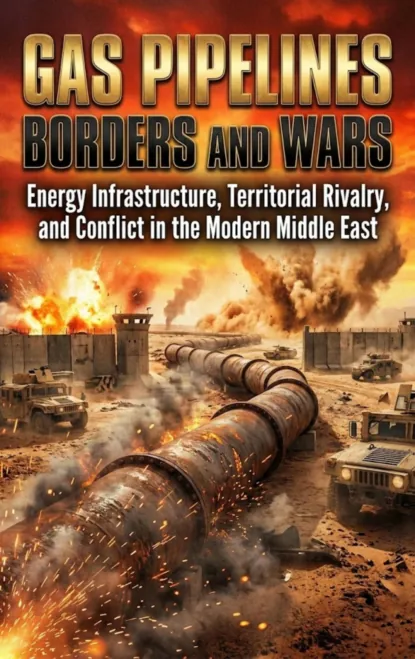
Beneath the surface of modern Middle Eastern conflicts lies a network of pipelines, concession agreements, and energy corridors that rarely appear in headlines but consistently shape the decisions of states, militaries, and international powers. The struggle to control the flow of natural gas has quietly redefined borders, fueled proxy wars, and determined the terms of diplomatic engagement across one of the world's most contested regions.
This book traces the intersection of energy infrastructure and armed conflict from the post-World War II petroleum concessions through the Cold War pipeline rivalries, the Gulf Wars, and into the contested Eastern Mediterranean gas fields of the twenty-first century. Drawing on diplomatic archives, corporate records, and investigative reporting, it examines how pipeline routes became strategic corridors, how energy dependency shaped alliance structures, and how resource competition escalated localized disputes into regional crises.
The analysis moves beyond conspiracy to reveal documented patterns: how infrastructure investment preceded military intervention, how energy agreements were used as instruments of political leverage, and how civilian populations bore the costs of resource wars fought in the language of ideology and sovereignty. For readers seeking to understand the material foundations beneath the rhetoric of modern Middle Eastern conflict, this book offers a rigorously sourced, historically grounded account of energy, power, and the price of control.